During the last years, the costs of the investment on solar energy have considerably been reduced. This trend has been remarked on the international level as well as on in the majority of the emerging countries. It allows foreseeing considerable economic returns on current projects.
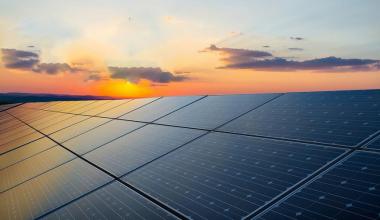
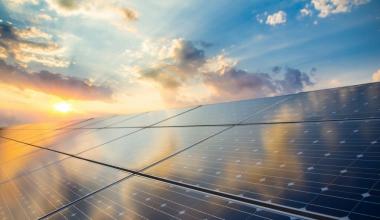
Among the concerned technologies, photovoltaic has reached a leading position in terms of technics and simplicity in the implementation of projects but also on an economical plan.
Furthermore, solar energy helps Tunisia to find a better way of managing the debt issues of the public sector because of the weight of energy, which is also submitted to the fluctuations in international energy markets.
Since the 1990s, the National Agency for Energy Conservation has set up initiatives to promote photovoltaic solar energy in Tunisia, whether through international cooperation projects or energy control programs, aiming at exploiting the significant solar potential estimated at 280GW, and also at facing the important energy stakes characterized by an energy deficit which has continued to worsen since 2001.
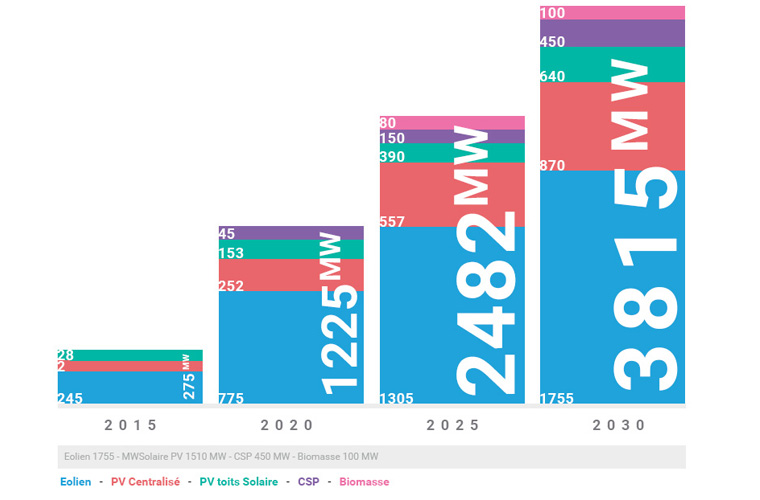
In this context, Tunisia, through its latest solar plan, aims at generating 30% of electricity from renewable sources by 2030, with 15% of which has been reserved to solar photovoltaic energy.